Skip to content
Consumer Electronics

IoT Ecosystem for Home Automation

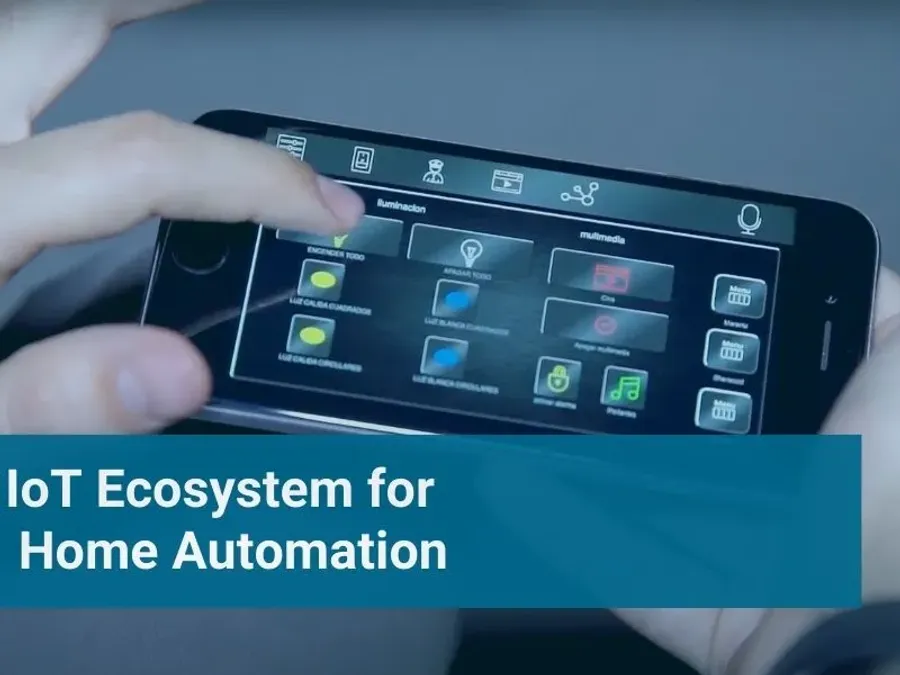
CodeBranch developed all the firmware and embedded software for IoT devices, as well as a mobile application for monitoring and controlling connected things.

Quick Summary

  • CodeBranch developed all the firmware and embedded software for IoT devices, as well as a mobile application for monitoring and controlling connected things.
  • Proof of concept completed and validated with target users
  • Minimum Viable Product generated and refined through iterative testing
Tech Stack: C FreeRTOS ESP32 Cordova React JavaScript PostgreSQL Python
IoT Ecosystem for Home Automation

Overview

The project consisted in creating an IoT ecosystem to intercommunicate things with people inside homes. CodeBranch developed the firmware, the mobile application, and the cloud systems for a home automation ecosystem. A key innovation was zero-configuration device onboarding — devices self-configured when they entered the home network and automatically appeared in the application, without the need for an installer to intervene. The system also detected firmware versions and automatically performed over-the-air updates with cryptographic controls to prevent unwanted firmware and control access to features. This innovative system has redefined the way people experience and interact with their living spaces, making it more efficient, comfortable, and environmentally conscious.

Industries

Consumer Electronics Connected Devices Electrical Construction IoT

Services Provided

  • Web Development
  • Custom Software Development
  • Mobile App Development
  • Embedded Software Development

Approach

The technologies used in this project were firmware development in C, a hybrid mobile development platform based on Cordova, web development in React with JavaScript, PostgreSQL databases, and an OTA server using a proprietary protocol written in Python. The firmware was developed for the FreeRTOS operating system targeting the MCU ESP32. A team of 8 people supported the project across its full lifecycle: 5 developers (3 senior and 2 semi-senior), 1 UI/UX designer, and 1 industrial designer.

3x Senior Developer
2x Semi-Senior Developer
1x UI/UX Designer
1x Industrial Designer

Results

  • Proof of concept completed and validated with target users
  • Minimum Viable Product generated and refined through iterative testing
  • Final product developed and manufactured, including regulatory certification before official entities
  • Zero-configuration device onboarding — devices self-configure upon joining the home network and appear automatically in the app
  • Automatic over-the-air firmware updates with cryptographic controls across all deployed devices
Find Out More

Frequently Asked Questions

How does zero-configuration device onboarding work in a home network?
Devices were engineered to detect and join the home network automatically upon first power-on. Once connected, they registered themselves with the cloud backend and appeared in the mobile app without any manual setup steps, eliminating the need for a technician or installer.
How are over-the-air firmware updates secured?
The OTA server uses a proprietary protocol with cryptographic signing to verify firmware packages before they are applied. This prevents unauthorized firmware from being installed and ensures that only approved updates are distributed to devices in the field.
What hardware platform did you target for the embedded firmware?
The firmware was developed in C for the FreeRTOS real-time operating system, targeting the ESP32 microcontroller — a widely used, cost-effective MCU well-suited for Wi-Fi-connected IoT devices.
Can CodeBranch handle both the hardware and software sides of an IoT product?
Yes. This project demonstrated CodeBranch''s ability to cover the full stack — from embedded firmware and industrial hardware design through mobile app development and cloud systems — including guiding the product through regulatory certification.
How long did this IoT project take to complete?
The project lasted seven years and progressed through multiple stages: proof of concept, minimum viable product, and final product development and manufacturing including regulatory certification. Long-running IoT projects of this nature benefit from an iterative, staged delivery approach.

Related Case Studies

Ready to Build Something Great?

Let's discuss your project and find the perfect solution for your business.