Quick Summary
- ▸ Built for a reviews and reputation marketplace (Enterprise, 10–20 employees) in Los Angeles, CA, United States.
- ▸ Continuous Integration and Continuous Deployment Pipeline with Container Images and Blue-Green Deployment Strategy for a B2B Marketplace.
- More agile development cycle with noticeable improvements in delivery speed.
- Software quality improved through mandatory automated testing gates in the pipeline.
Overview
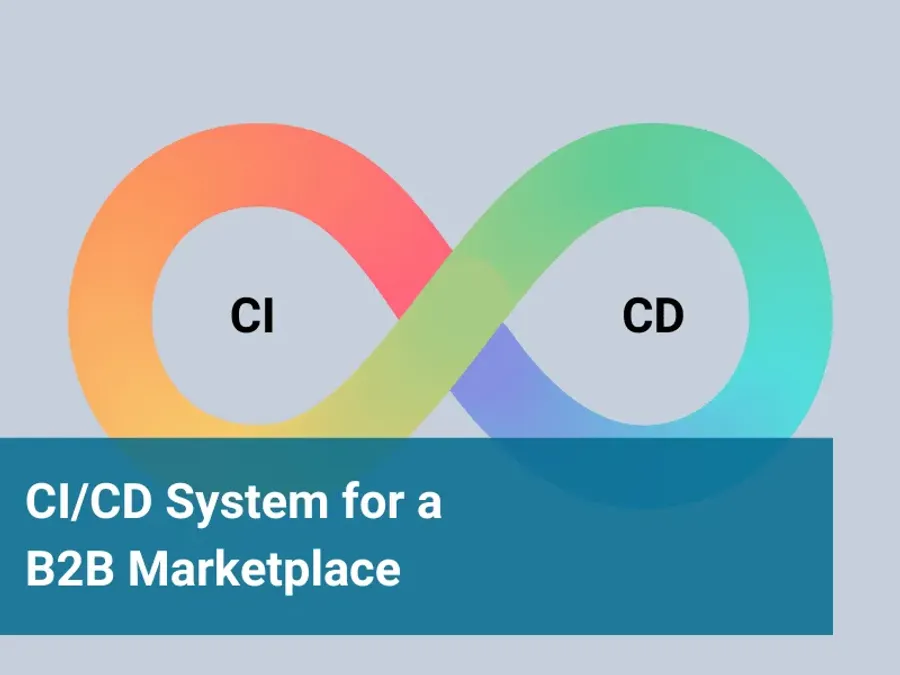
In this development process, CodeBranch utilized continuous integration (CI) and continuous deployment (CD) to ensure efficient and reliable software delivery for a B2B marketplace. This approach allowed for frequent updates while maintaining stability throughout the different stages of development, testing, and deployment. The pipeline was built on Kubernetes and structured around a private container image repository, with automated stages covering code analysis, unit testing, integration testing, and a blue-green deployment strategy that ensured zero downtime during every release.
Industries
Services Provided
Approach
CodeBranch used a CI/CD pipeline that built container images in a private image repository. The process involved multiple stages, including code analysis, online SAST, unit testing, and integration testing to ensure code quality and integrity before any approval or rejection decision. Once code passed these checks, continuous deployment automatically released it to production without manual intervention. The pipeline was Kubernetes-based for robust container orchestration. Blue-green deployment ran two versions of the application simultaneously — live (blue) and new (green) — with traffic redirected from blue to green only after the green version was fully validated, minimizing risk during every release. Two senior developers implemented the pipeline.
Find Out More
Results
- More agile development cycle with noticeable improvements in delivery speed.
- Software quality improved through mandatory automated testing gates in the pipeline.
- Deployment reliability increased significantly with zero-downtime blue-green releases.
- The development team became more efficient and effective through pipeline automation.